


Al-Mu'izz-Straße und Khan al-Khalili: Historische Juwelen im Herzen von Kairo
🏛️ The History of Moez Street – Cairo’s Open-Air Museum
Origins of Al-Muizz li-Din Allah Street
Al-Mu’izz Street, also known as the “Great Street” or “Great Kasbah,” is named after the Fatimid Caliph Al-Mu’izz li-Din Allah. Located in the heart of historic Cairo, the street begins at Bab al-Futouh in the north and stretches to Bab Zuwailah in the south, covering approximately 1,500 meters. Including its extended path to the Shrine of Sayyida Nafisa and Fustat, the total length is nearly 4,800 meters.
Moez Street’s Role in Medieval Islamic Cairo
This legendary street intersected important roads like Jawhar al-Qaid and Al-Azhar. It served as the main artery of Cairo’s Islamic city and once hosted up to 1,200 shops. It played a central role in commerce, politics, and religion during the Fatimid and Mamluk eras.
Restoration Projects and UNESCO Recognition
Recognized as the world’s largest open-air museum of Islamic antiquities, Moez Street has seen extensive restoration projects supported by UNESCO. These efforts aim to preserve more than 32 historic buildings representing Fatimid, Ayyubid, Mamluk, and Ottoman architecture.
🏛️ Top Attractions Along Moez Street
Al-Hakim Mosque – A Historic Landmark
Dating back to the Fatimid period, Al-Hakim Mosque is one of the oldest and most architecturally striking mosques in Cairo.
Qalawun Complex – Islamic Art at Its Finest
Built in the Mamluk era, this complex includes a madrasa, mausoleum, and hospital. It’s considered one of the finest examples of medieval Islamic architecture.
Sultan Barquq Mosque and Madrasa
A remarkable educational and religious institution, this site reflects the grandeur of Mamluk construction.
Bayt Al-Suhaymi – Traditional Ottoman House Museum
An exquisite 17th-century Ottoman house that gives visitors a glimpse into family life during the Ottoman period.
Sabil-Kuttab of Katkhuda and Other Hidden Gems
Don’t miss the beautifully decorated public fountains (sabils) and elementary Quran schools (kuttabs), particularly those from the Ottoman period.
👣 Walking Tour Tips and Suggested Itinerary
Best Starting Point and Walking Route
Start your journey at Bab al-Futouh and move southward to Bab Zuwailah, exploring the attractions sequentially. Allow 2–3 hours for a thorough walk.
How Long to Spend Exploring Moez Street
A half-day tour is perfect to cover the main attractions, with optional stops at cafes and souvenir shops.
Guided Tours vs. Exploring on Your Own
Guided tours offer in-depth historical insight, while self-guided walks allow for a more flexible pace.
️ Shopping and Souvenirs on Moez Street
Traditional Handicrafts and Antiques
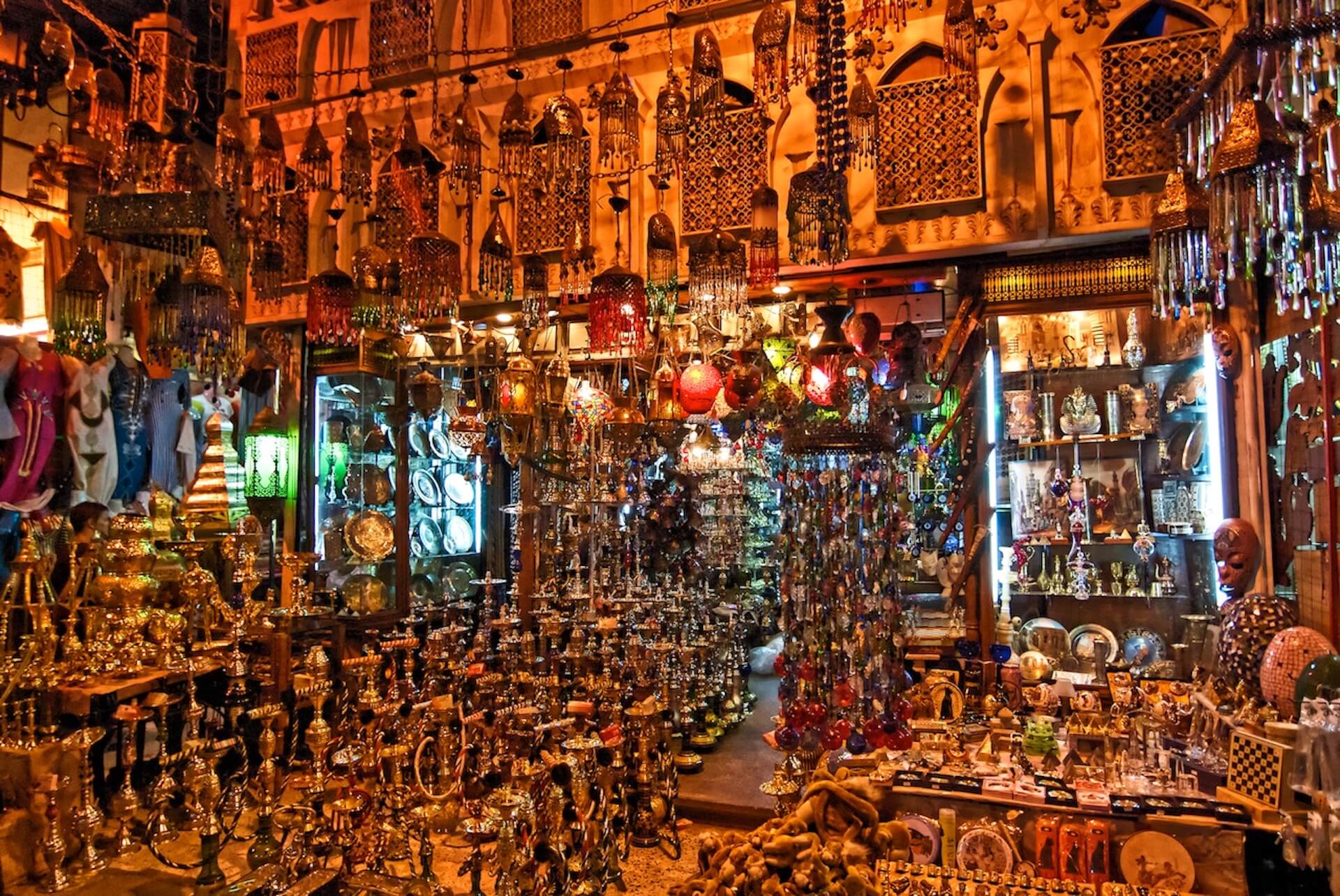
You’ll find authentic Egyptian crafts, including brass lanterns, textiles, and handmade jewelry.
Local Artisans and Authentic Egyptian Goods
Visit small artisan shops where you can watch craftsmen at work and purchase unique, locally made souvenirs.
🍽️ Where to Eat – Cafes and Street Food Around Moez Street
Best Local Dishes to Try
Don’t miss classic Egyptian dishes like koshari, falafel, and grilled kofta available from nearby stalls.
Recommended Cafes with Historic Views
Enjoy a mint tea or Turkish coffee at one of the historic cafes with views of the surrounding minarets and domes.
📷 Photography Tips – Capturing Moez Street’s Magic
Best Time of Day for Photos
Morning or late afternoon offers the best natural lighting and fewer crowds for stunning photos.
Key Architectural Highlights for Your Lens
Focus on details such as Islamic calligraphy, minarets, mashrabiya windows, and colorful mosaics.
ℹ️ Practical Info for Visiting Moez Street in 2025
Opening Hours and Entry Fees
Most sites are open from 9:00 AM to 5:00 PM. Some historic houses require a small entrance fee.
How to Get There – Transport and Accessibility
Easily accessible by taxi or metro; get off at Al-Azhar station. Walking is the best way to explore the street.
Safety Tipps and Traveler Etiquette
Wear comfortable shoes, dress modestly, and always ask permission before photographing locals.
Moez Street and Khan al-Khalili offer an immersive journey through Cairo’s layered Islamic history. Whether you’re a first-time visitor or a seasoned traveler, this vibrant district guarantees a blend of history, architecture, and authentic local culture.